
How Affiliate Marketing Actually Works
Affiliate marketing, the ultimate performance marketing channel...
RivieraTech Team
The RivieraTech Affiliates team shares insights on affiliate management and partner marketing.
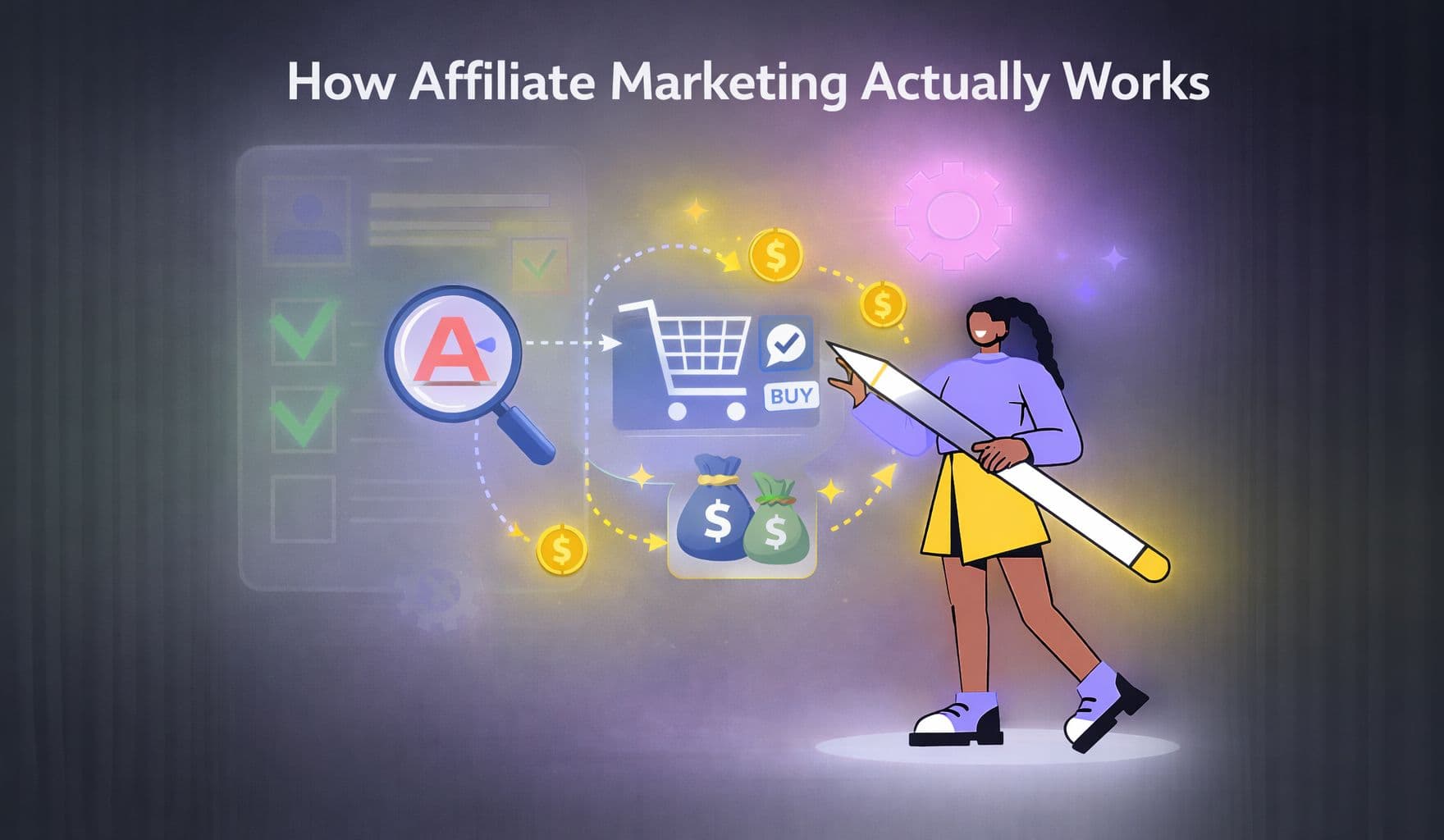
Affiliate marketing is often described as a “performance channel”, but what does that actually mean in practice?
If you’re a brand, it can sometimes feel like a black box: traffic comes in, commissions go out, and somewhere in the middle there’s a network or platform taking a cut.
This guide breaks down exactly how affiliate marketing works, step by step, so you can understand where value is created, and where costs can quietly build up.
----------------------------------
1. The Core Concept
At its simplest, affiliate marketing is a partnership model:
You (the brand) provide products or services
Affiliates promote those products to their audiences
You pay a commission only when a defined action occurs (usually a sale or lead)
That’s why it’s called performance marketing, you only pay when results are delivered.
2. The Key Players
There are three main components in any affiliate setup:
Brand (You)
- Own the product or service
- Define commission rates (e.g. 10% per sale or £5 per lead)
- Provide marketing assets (links, banners, product data)
Affiliate
- A publisher, content site, influencer, or cashback platform
- Promotes your offering via their website, email, or social channels
- Earns commission when they drive a successful outcome
Platform / Network
- Tracks clicks and sales
- Attributes conversions to the correct affiliate
- Handles reporting and (sometimes) payments
3. What Actually Happens (Step-by-Step)
Here’s what happens behind the scenes when a customer converts through an affiliate:
Step 1: Affiliate Promotes Your Product
An affiliate publishes your offer on their platform, this could be:
- A blog post
- A comparison page
- A deal or voucher listing
They use a tracked link that identifies them as the referrer.
Step 2: A User Clicks the Link
A customer clicks the affiliate’s link and is redirected to your website.
At this point:
- A tracking cookie or session is created
- The system records which affiliate referred the user
Step 3: The User Converts
The user completes a desired action on your site:
- Makes a purchase
- Submits a lead form
- Signs up for a service
Step 4: The Conversion Is Tracked
The platform records:
- Which affiliate drove the conversion
- The value of the transaction
- The commission owed
This can be done via:
- Browser cookies
- Server-side tracking
- Coupon code attribution
- Or a combination of methods
Step 5: Commission Is Paid
You pay the affiliate based on the agreed structure:
- % of sale (e.g. 10%)
- Fixed fee (e.g. £5 per lead)
Depending on your setup, payments may be:
- Handled by a platform
- Or paid directly to affiliates
4. Why Brands Use Affiliate Marketing
Affiliate marketing offers several advantages:
Low Risk
You only pay for results, not impressions or clicks.
Scalable Growth
More affiliates = more potential reach and revenue.
Diverse Traffic Sources
Affiliates bring audiences you may not reach through paid ads.
5. Where It Gets Complicated
While the model is simple in theory, complexity increases as you scale:
Tracking Variations
Different attribution models:
- Last-click
- First-click
- Session-based
- Cookie windows (e.g. 30 days)
Operational Overhead
- Managing affiliates
- Updating offers and creatives
- Ensuring accurate product data
Cost Structures
Many setups introduce additional costs such as:
- Platform fees
- Commission overrides
- Setup and management fees
6. The Hidden Layer: Data & Content
One of the most overlooked parts of affiliate marketing is how product information flows to affiliates.
Affiliates rely on:
- Pricing
- Product descriptions
- Offers and promotions
- Availability (especially in travel)
If this data is:
- Outdated
- Inconsistent
- Or manually updated
…it can directly impact conversion rates and revenue.
7. Bringing It All Together
Affiliate marketing works because it aligns incentives:
- Affiliates earn when they drive results
- Brands grow revenue without upfront media spend
But as programs grow, success depends on more than just tracking, it depends on how efficiently the entire system operates.
Understanding the mechanics is the first step toward:
- Reducing unnecessary costs
- Improving performance
- Scaling your channel effectively
-----------------------------------
Affiliate marketing isn’t just about links and commissions, it’s an ecosystem of partners, data, and processes working together to drive revenue.
The brands that win in this channel are the ones that understand not just how it works, but where it can be improved.